


Articles on septum piercings — healing, fitting & jewellery.
From healing your new piercing to choosing the right ring, our articles cover the practical side of life with a septum piercing.
Browse by topic below, or jump straight to the article you need.
Quick answers
Four things to know firstWhat diameter do most septum rings sit at?
Most septum rings sit between 8–10mm inner diameter, with 8mm and 10mm the most common choices. The right size depends on the height of your septum, where it was pierced, and whether you want the ring to sit close to the nose or hang further down.
Which gauge is standard?
16G is the most common septum gauge in the UK. Many septums are originally pierced at 14G, and 18G is a finer option some people downsize to over time.
Solid gold or plated?
Solid 14K gold runs through the entire piece. Plated jewellery is a thin gold layer over a base metal — the plating can wear down over time, which matters for rings worn long-term.
Can I hide my septum piercing?
Yes — most septum jewellery can be flipped up inside the nostrils to sit out of sight. A flesh-toned retainer is another option for full concealment without removing the jewellery.
Start here.
Where to startThree articles that cover the most common first-time questions. Or scroll on for the full list.
I need help choosing size
How inner diameter changes the way a septum ring hangs, and how to measure your current jewellery before ordering.
Read the size guide Path ii.I need help choosing gauge
Gauge is thickness — not diameter. 14G vs 16G vs 18G and which one suits your existing piercing channel.
Read the gauge guide Path iii.How do I change my ring?
A practical step-by-step for swapping septum jewellery in a healed piercing — clickers, hinged rings, and seamless hoops.
Read the how-toFeatured articles
Most useful first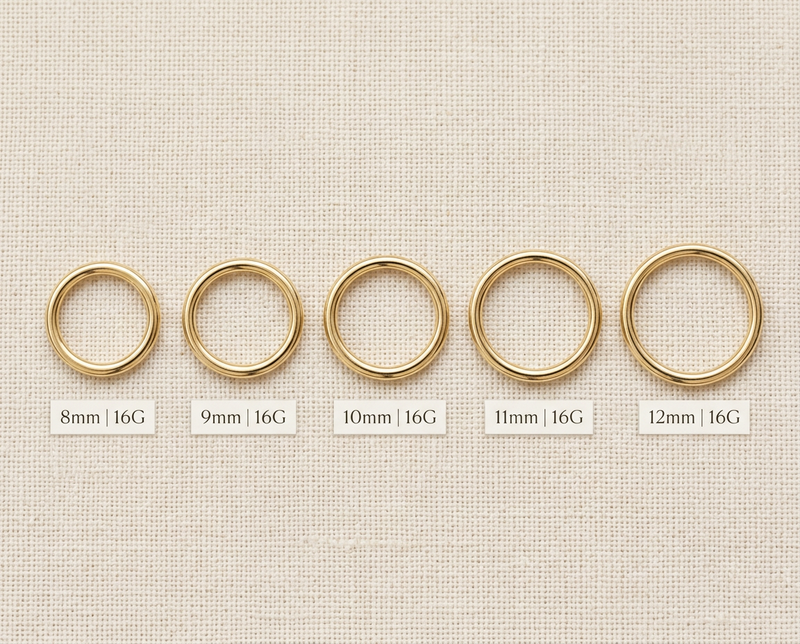
Septum Ring Size Guide
Inner diameter explained — how each size hangs from the septum, with practical advice on measuring your current jewellery before you order.
Read guide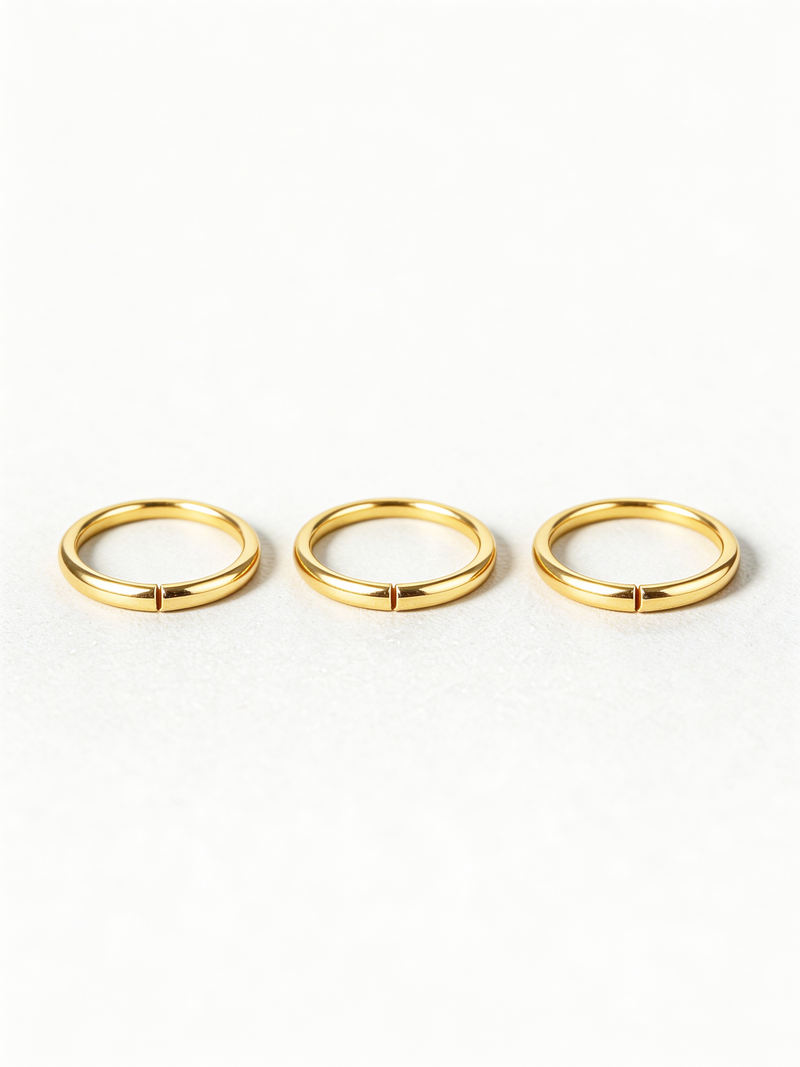
Septum Gauge Guide
What gauge means for a septum, the common UK gauges, and how to pick the right thickness for your piercing channel.
Read guide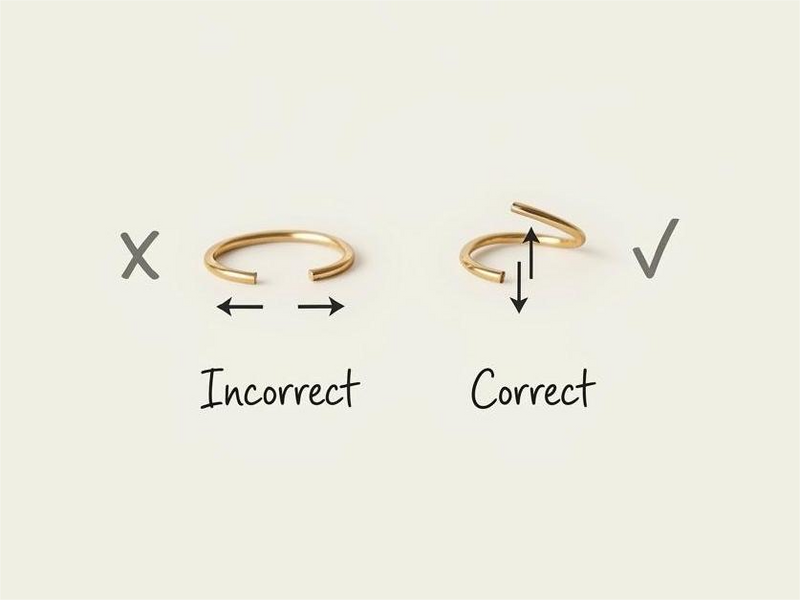
How to Change Septum Ring
Step-by-step for swapping jewellery in a healed septum piercing — clickers, hinged rings, and seamless options.
Read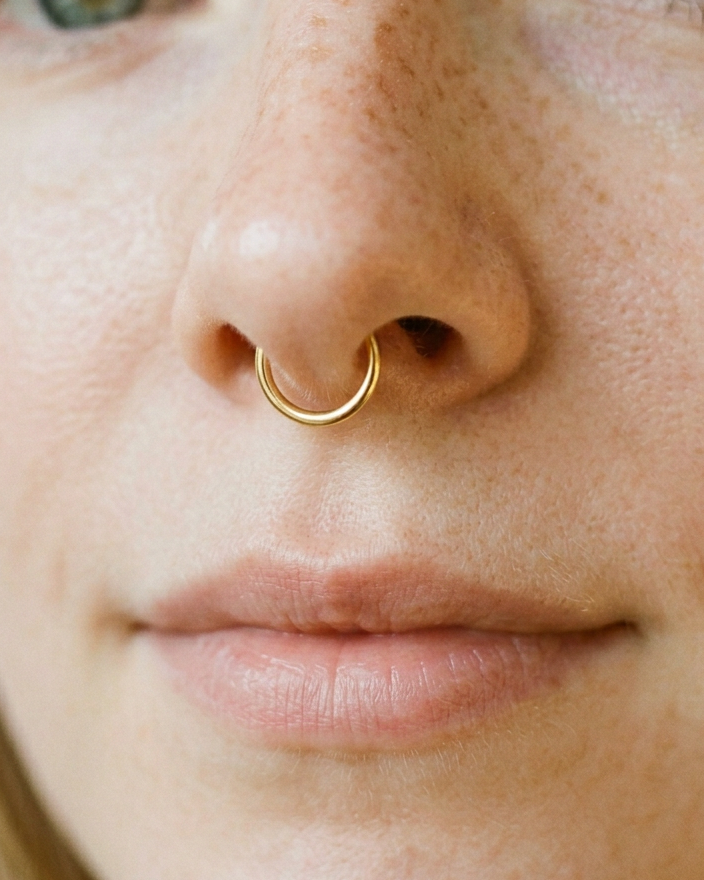
Septum Piercing Healing
What the healing process looks like, what's normal at each stage, and when to seek advice.
Read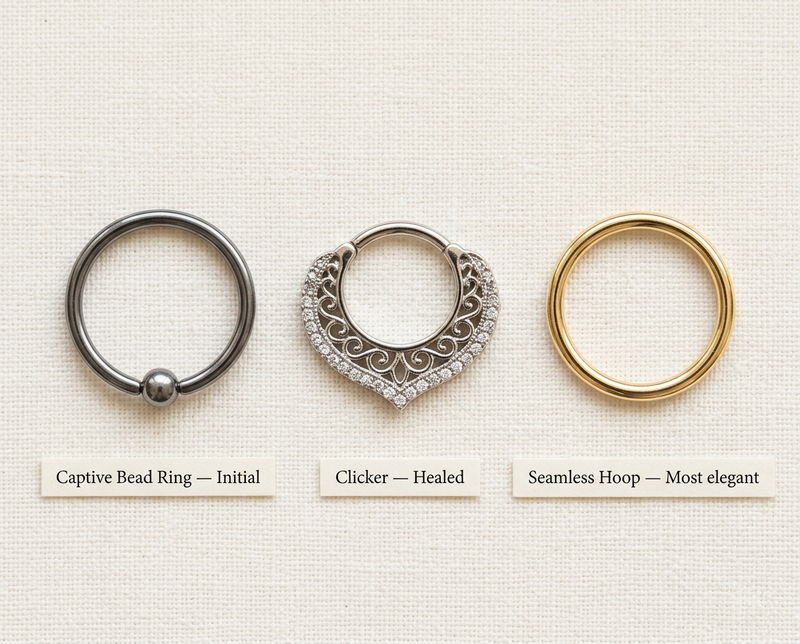
Septum Piercing Jewellery
Clickers, horseshoes, seamless rings — how the main septum styles compare in look and everyday wear.
ReadSize & diameter.
Inner diameter explainedInner diameter — the measurement across the inside of the ring — changes how a septum hoop hangs from your nose. Most septum piercings sit comfortably between 8mm and 10mm: 8mm gives a closer, more discreet sit; 9mm is the common middle ground; 10mm hangs visibly lower beneath the nostrils for a more open, statement look. The right size depends on the height of your septum, where it was pierced, and the look you're after — a well-fitted hoop should swing freely without pressing against the upper lip. As a general rule, if you're between two sizes, going up by 1mm usually feels more comfortable than going down, and your starter jewellery is often marked with its diameter as a reference.
Gauge explained.
Thickness, not diameterGauge measures the thickness of the wire — not the size of the ring. Septum piercings are usually fitted thicker than nostril or ear piercings, so the gauge you choose needs to match the channel your piercer originally set, not what looks right on screen.
For most UK septum piercings, 16G is the standard. Many septums are originally pierced at 14G and stay there long-term, while 18G is a finer option some people downsize to once the piercing is fully settled. Going up a gauge stretches the channel — never something to attempt at home, and never in a piercing that isn't fully healed.
If you're unsure of your gauge, your piercer can confirm in seconds — or measure your current jewellery with a calliper before ordering. The original starter jewellery is usually marked with its gauge, too.
Material & safety.
14K solid gold vs plated✦ Stepoy standard
14K Solid Gold
The gold runs through the entire piece. There's no surface to wear off and no base metal hiding underneath.
- Nickel-free composition
- No plating layer to flake or wear away
- Widely chosen for everyday wear in healed piercings
- A long-standing material for fine jewellery
For comparison
Gold-Plated
A thin gold layer applied over a base metal — often brass or copper alloys. Looks similar at first glance.
- Plating can wear down over time
- Base metal sits beneath the gold layer
- Underlying alloys may contain nickel
- Less commonly used in long-term jewellery
A note on materials — what you wear every day matters most. Solid gold is widely chosen for healed-piercing jewellery because it doesn't have a plating layer that can wear away over time. If you ever experience irritation, redness, or swelling, please consult a professional piercer rather than self-diagnose.
Fit & comfort.
Everyday & overnight wearSnug fit
A snug hoop sits close to the base of the septum, with a smaller diameter that doesn't drop much below the nose. The look is subtle and refined — and easier to flip up and hide when needed. Many people prefer a closer ring for everyday wear because there's less hanging below the lip to catch on collars or fingers.
Relaxed fit
A larger diameter hangs visibly lower, sitting clearly between the nostrils with a gap below — the classic statement septum look. Comfort depends on the height of your septum; a piercing that sits higher up the nose has more room for a larger hoop to hang freely without pressing the upper lip.
Ready to shop —
Shop 14K solid gold
septum rings.
Handmade to order in your chosen size and gauge. Seamless hoops, clickers, and circular barbells available in precise inner-diameter and gauge options, so you can choose a closer fit. Nickel-free. For healed piercings.
Shop septum ringsCommon questions.
Practical answers for everyday septum ring wear — sizing fixes, hiding, cleaning, and what to do if something doesn't feel right. For anything specific to your healing or anatomy, please ask a professional piercer.
Two things, in order. First check diameter — if the ring presses against your upper lip when relaxed, you likely need to size up by 1mm or more for clearance. Then check gauge — a thicker gauge than your channel can feel snug even at the right diameter. If there's any swelling or tenderness involved, leave the original jewellery in and speak to your piercer.
Most people sleep comfortably in a septum ring once the piercing is fully healed. Clickers and seamless hoops sit close to the nose and rarely cause issues. If you find the ring tugging during the night, flipping it up before bed keeps it out of the way.
Unlike plated jewellery, 14K solid gold has no surface layer that can wear off. With daily wear it may dull slightly from oils, sweat, or cleaning products — a soft polishing cloth restores the shine. It won't flake or chip the way plating can.
A soft cloth, warm water, and mild unscented soap is enough for healed-piercing jewellery. Rinse and dry well before refitting. Avoid harsh chemicals, silver dips, or ultrasonic cleaners — they can damage finishes.
A clicker hinges open with a small click mechanism — the cleanest single-ring look and easiest to put in alone. A horseshoe (circular barbell) is a U-shape with two removable balls. A seamless hoop is one continuous circle with no join, twisted gently open to fit. All three are common septum options.
Yes — if you're unsure about diameter or gauge, message us before ordering. Share your current jewellery measurements, your piercer's notes, or a clear photo of the piercing, and we'll help you narrow down the most suitable option.
Yes — we ship across the UK and internationally. Because each piece is handmade to order in your chosen size and gauge, lead times vary. Check the product page or your order confirmation for the current estimate.
Browse all septum articles —